IoT in Smart Agriculture: Connecting Farms to the Cloud
Published:
The Internet of Things (IoT) is revolutionizing agriculture, enabling farmers to make data-driven decisions and optimize resource usage.
The Need for Smart Agriculture
With the global population expected to reach 9.7 billion by 2050, we need to produce 70% more food. Smart agriculture technologies can help meet this challenge sustainably.
IoT Components in Agriculture
Sensors
- Soil moisture sensors
- Temperature and humidity monitors
- Light intensity sensors
- pH and nutrient level detectors
Communication Technologies
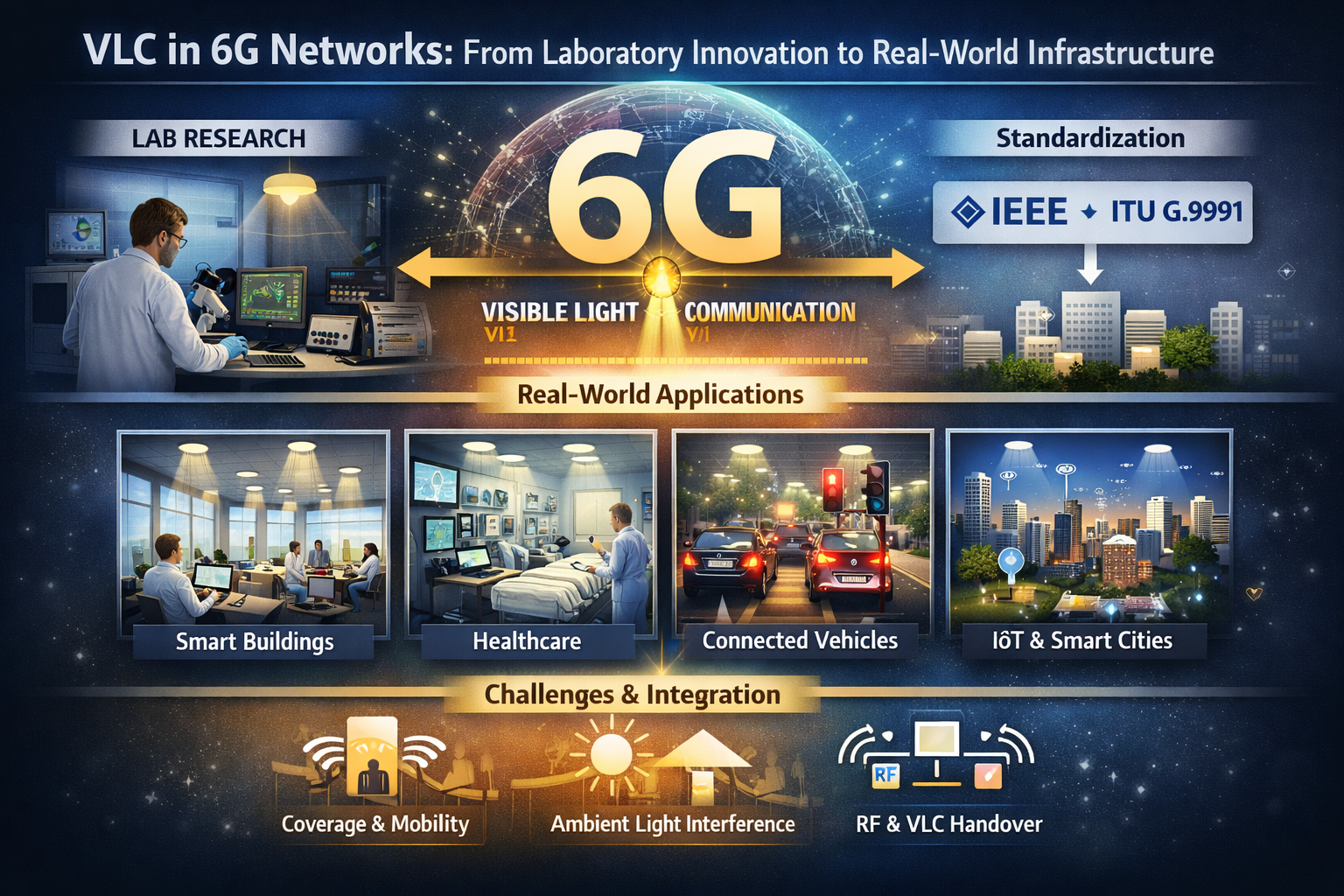
Traditional cellular networks often lack coverage in rural areas. This is where hybrid VLC/RF networks become valuable, providing reliable connectivity in agricultural environments.
Data Analytics
AI-powered analytics platforms process sensor data to provide actionable insights on irrigation, fertilization, and pest control.
Challenges
- Connectivity: Rural areas often lack reliable internet infrastructure
- Power: Sensors need to operate for extended periods on limited power
- Environmental Conditions: Devices must withstand harsh outdoor conditions
- Scalability: Large farms may require thousands of sensors
My Research Contribution
I’m exploring how hybrid VLC/RF networks can provide robust connectivity for agricultural IoT systems, combining the reliability of RF with the bandwidth of optical communications.
The future of farming is connected, intelligent, and sustainable.